
The evolution of luxury Italian sofas: from classic to contemporary design
The sofa is one of the elements that best illustrates the evolution of interior design. Originally conceived as a piece of furniture intended primarily for socialising and entertaining, over time it has changed in form, materials and proportions, reflecting shifts in the way we live. In the world of luxury furniture, this evolution is particularly evident: the sofa has moved from the decorative elegance of classical forms to a more minimalist contemporary aesthetic, without losing sight of the central importance of craftsmanship. Today, a high-end sofa is not simply a functional element in the living room: it is an architectural feature, a design object and, above all, an expression of Italian design culture.
From classical forms to the pursuit of proportions
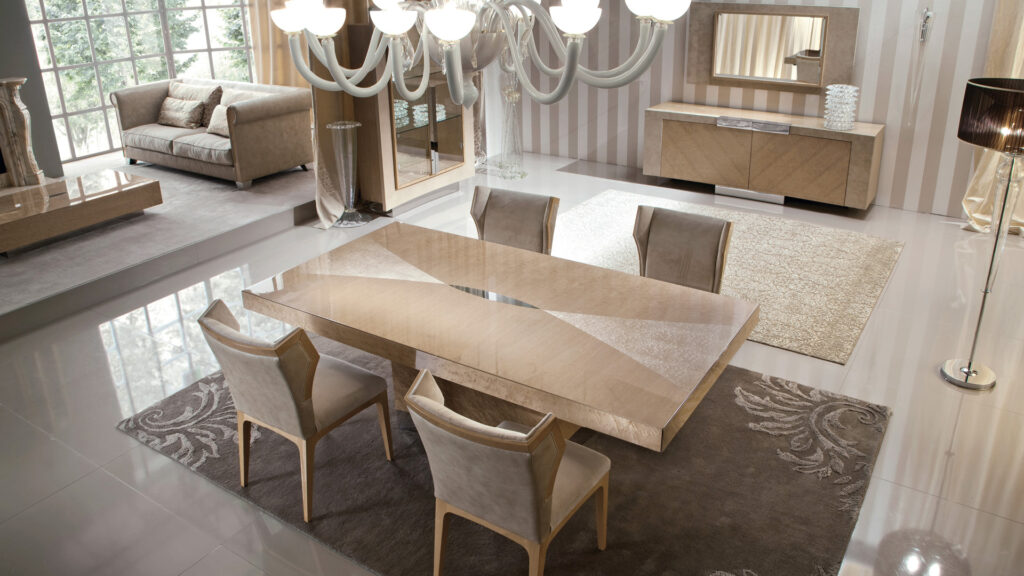
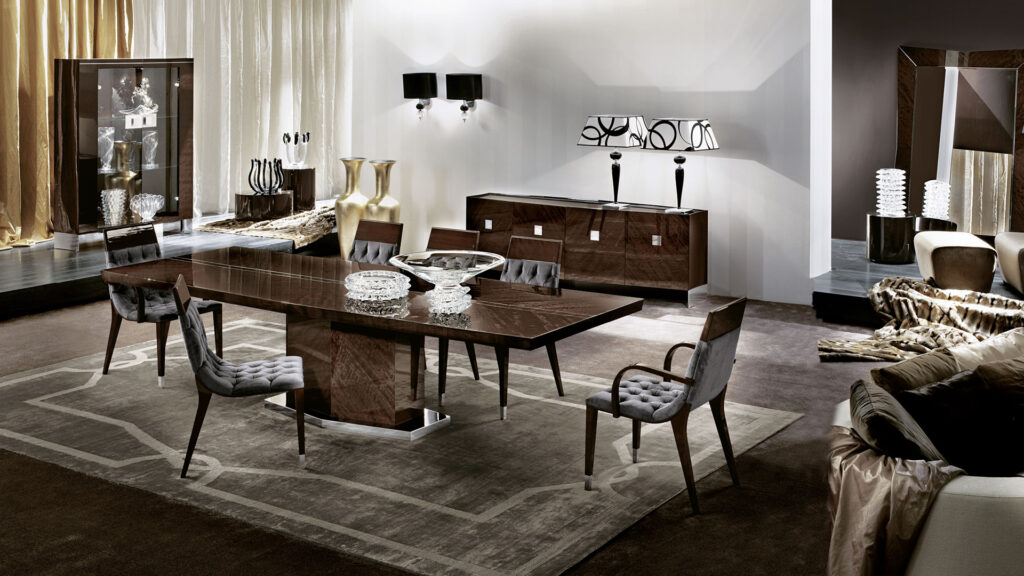
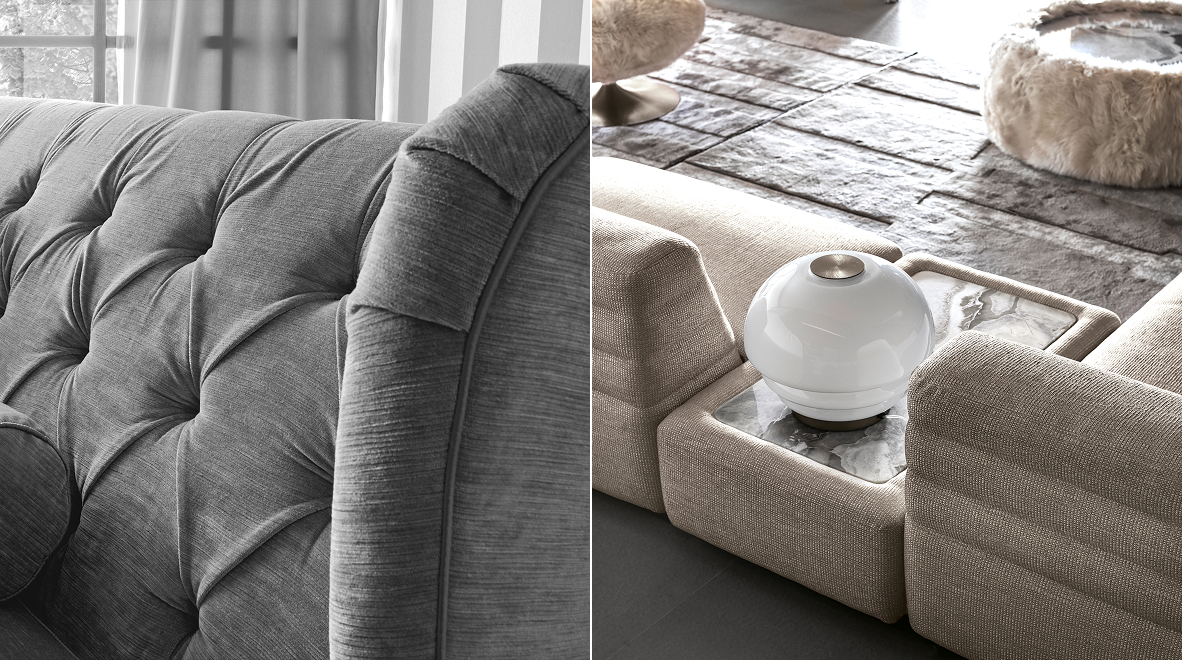
In the tradition of Italian luxury furniture, the sofa has long been associated with an idea of elegance characterised by imposing forms, decorative details and artisanal craftsmanship. Elaborate structures, defined armrests, generous padding and luxurious upholstery all contributed to creating a sophisticated and prestigious image. It was an aesthetic in which detail played a fundamental role: stitching, edging, wooden elements and decorative finishes became an integral part of the sofa’s character, often designed to fit into interiors equally rich in detail. Over time, however, the very concept of luxury has also changed: the focus has gradually shifted from ornamentation to the quality of proportions, from decoration to materials, and from prestige to the ability to create comfort.
The 20th Century and the Birth of the Modern Sofa
The transformation of the Italian sofa is also linked to the rise of modern design. Throughout the 20th century, designers and manufacturers began to rethink the relationship between form and function, giving rise to seating with cleaner lines and a freer conception of space. The sofa no longer had to be imposing or decorative to convey prestige. On the contrary, elegance could lie in the simplicity of a line, the precision of a seam, the quality of an upholstery fabric, or the balance between structure and padding. This was a significant transformation that laid the foundations for the contemporary language of the ‘Made in Italy’ luxury sofa: less tied to a specific style and increasingly oriented towards design innovation.
Contemporary luxury: less decoration, more material
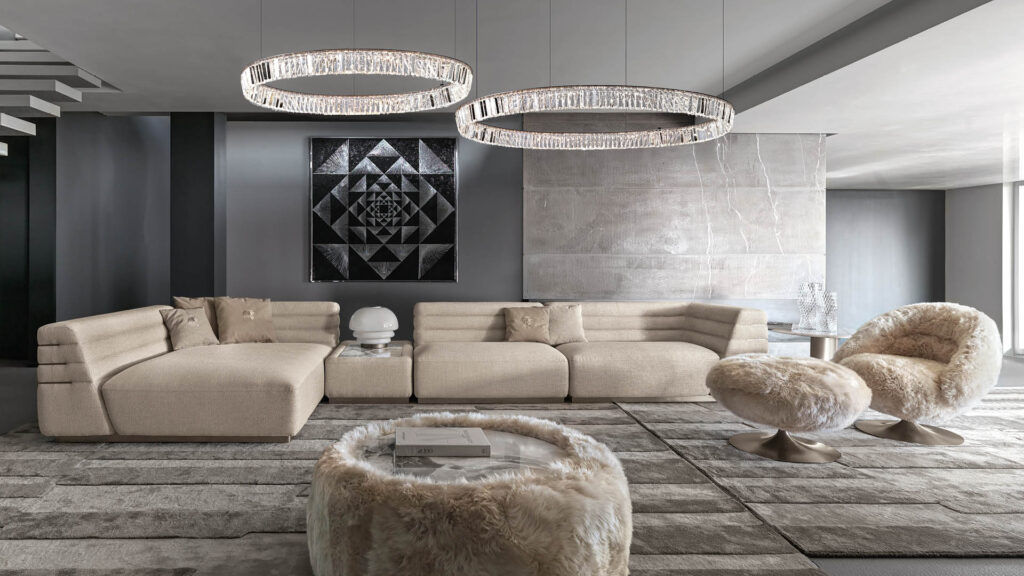
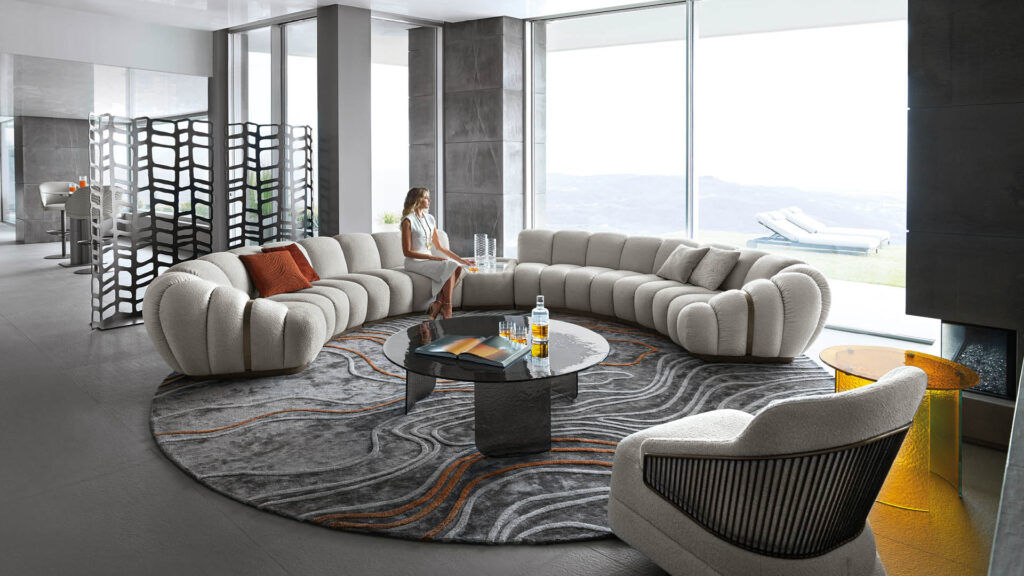
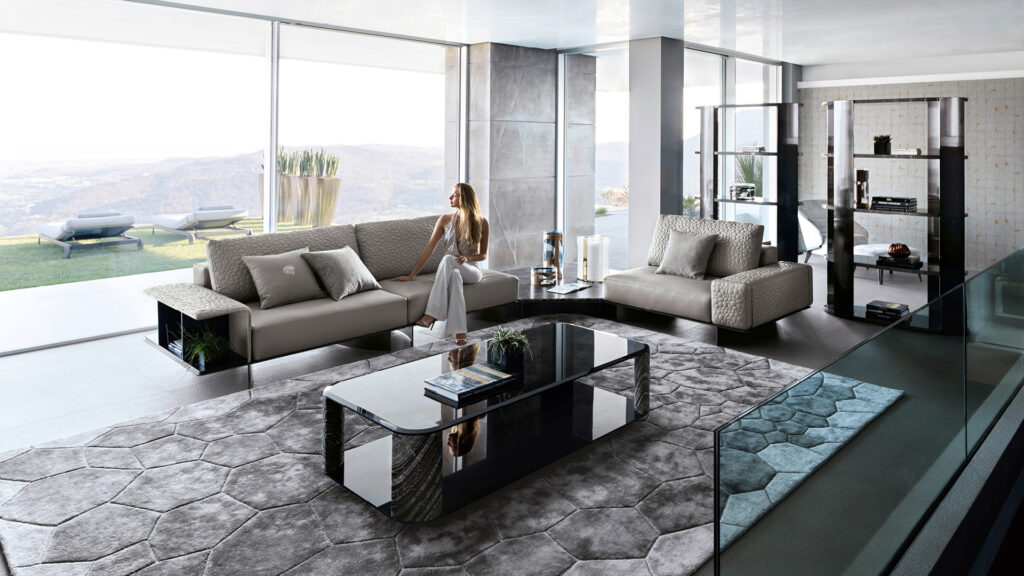
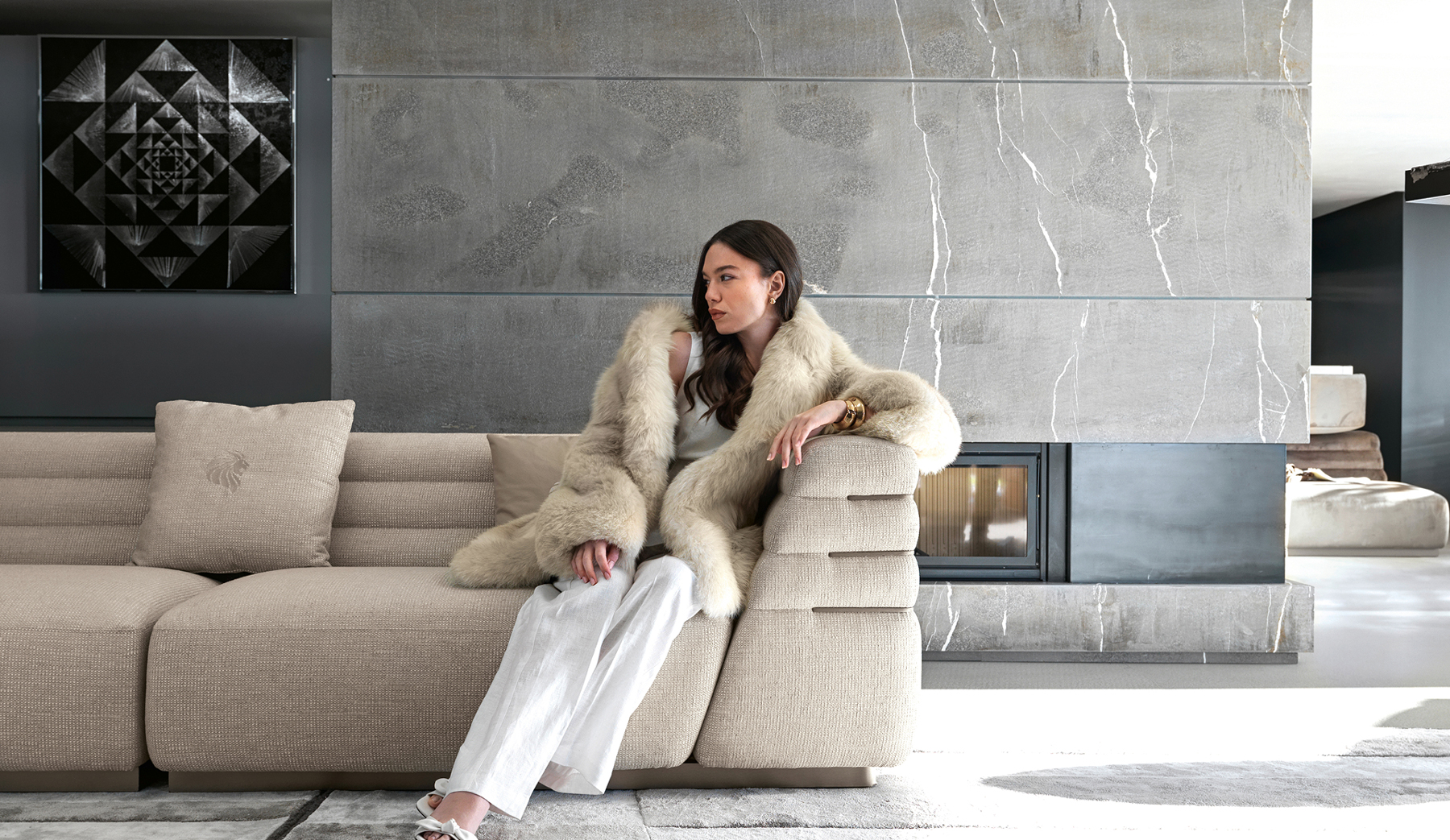
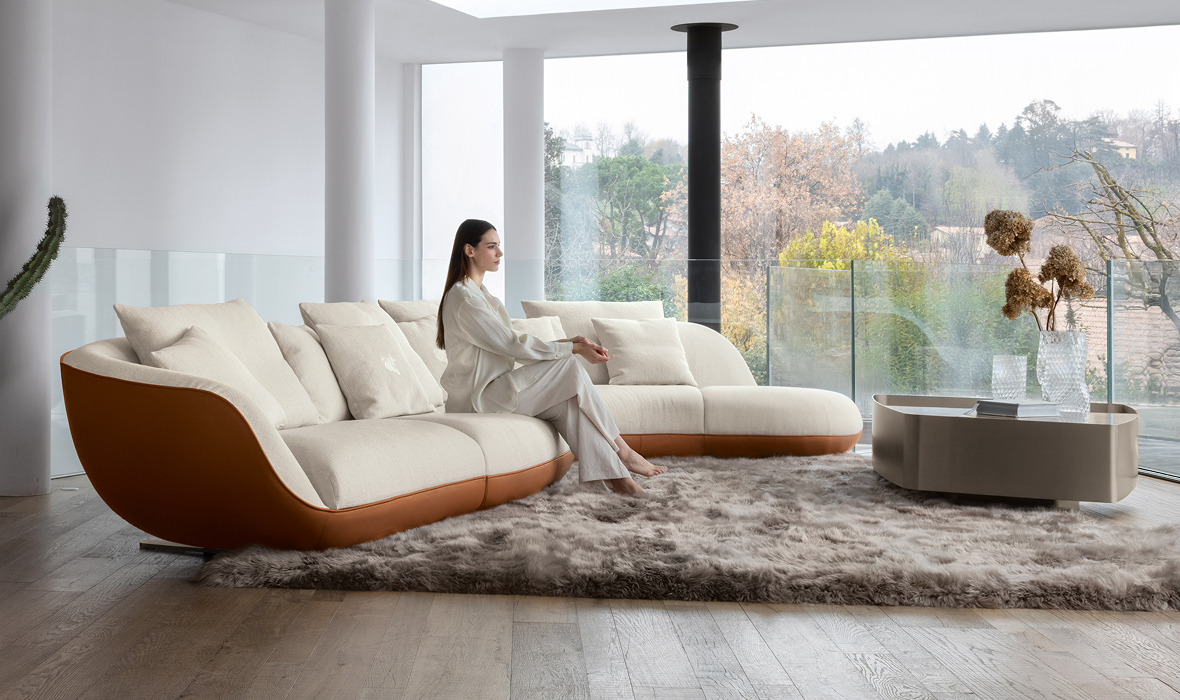
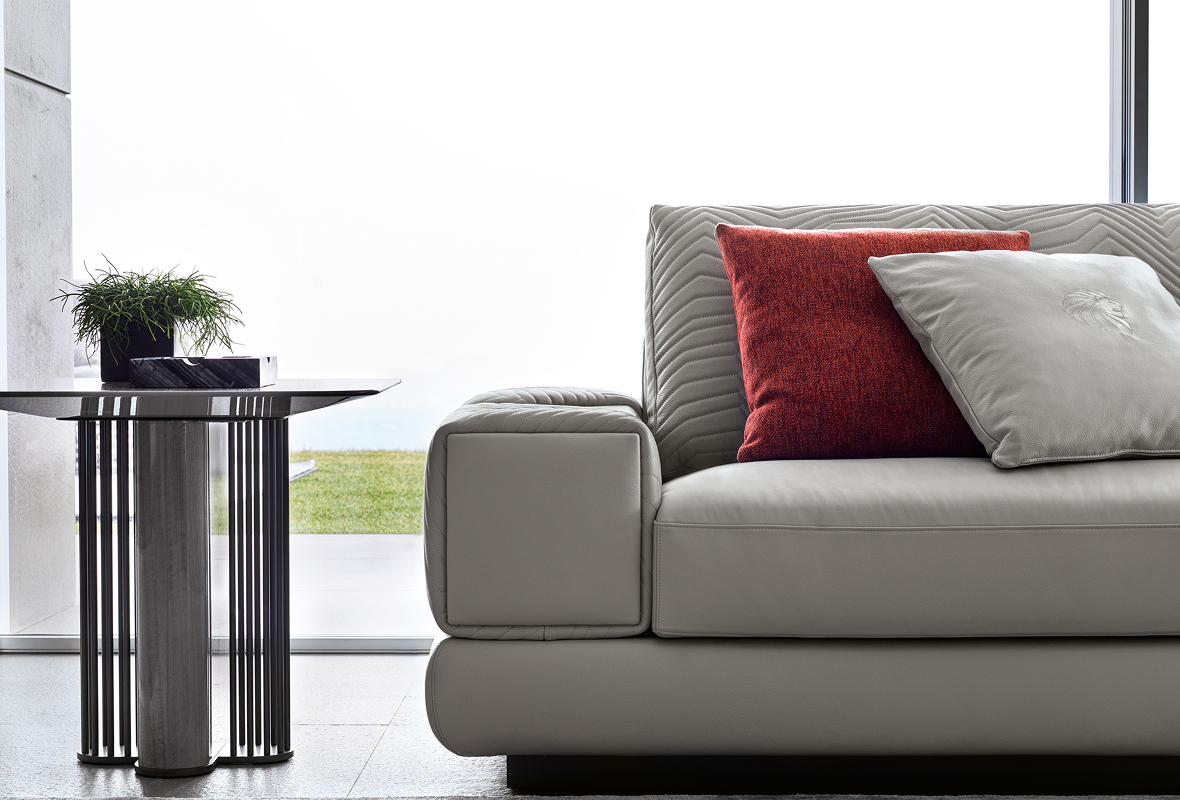
In contemporary design, luxury has taken on a more understated dimension. Forms tend to be minimalist, yet are by no means lacking in personality. On the contrary, it is precisely the reduction in decorative elements that allows materials, textures and craftsmanship to be showcased to greater effect. Leather, nubuck and fabrics take centre stage; wood and metal can be used to create details and contrasts; and the padding is designed to combine support with softness. Comfort is also becoming increasingly important: seating is becoming more inviting, deeper and more informal, reflecting a way of experiencing the living room where conversation, relaxation and conviviality blend together.
From single seats to modularity
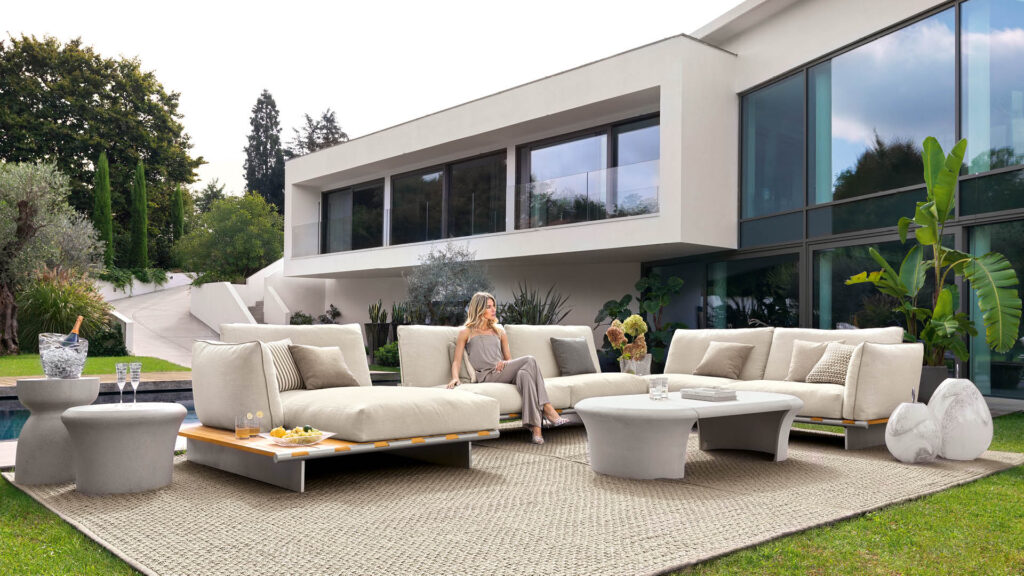
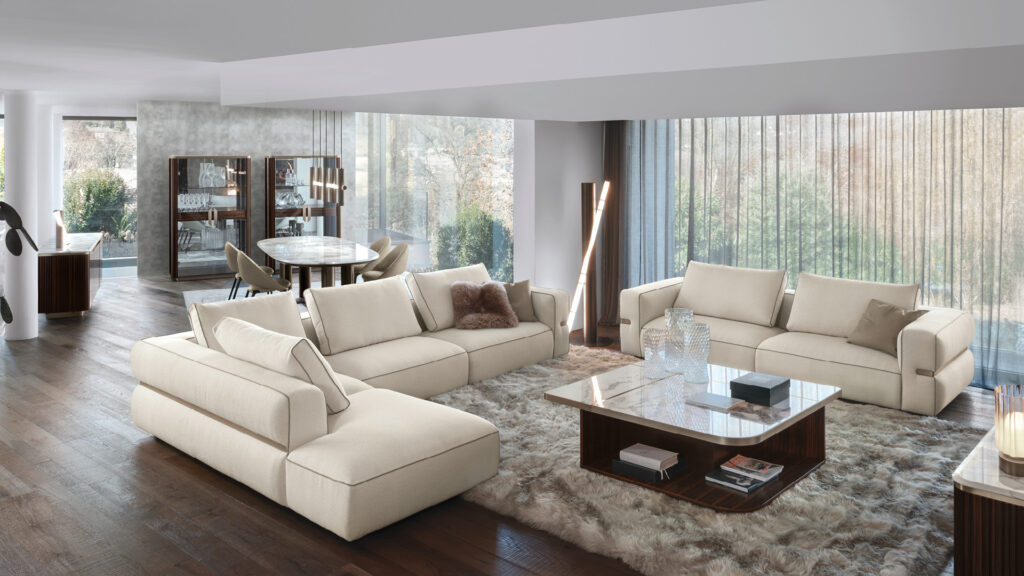
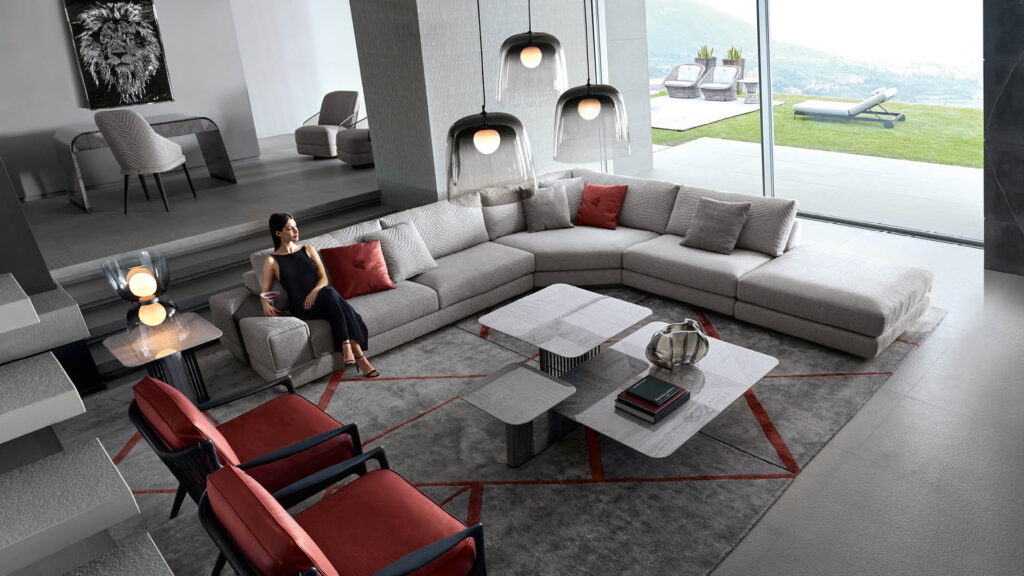
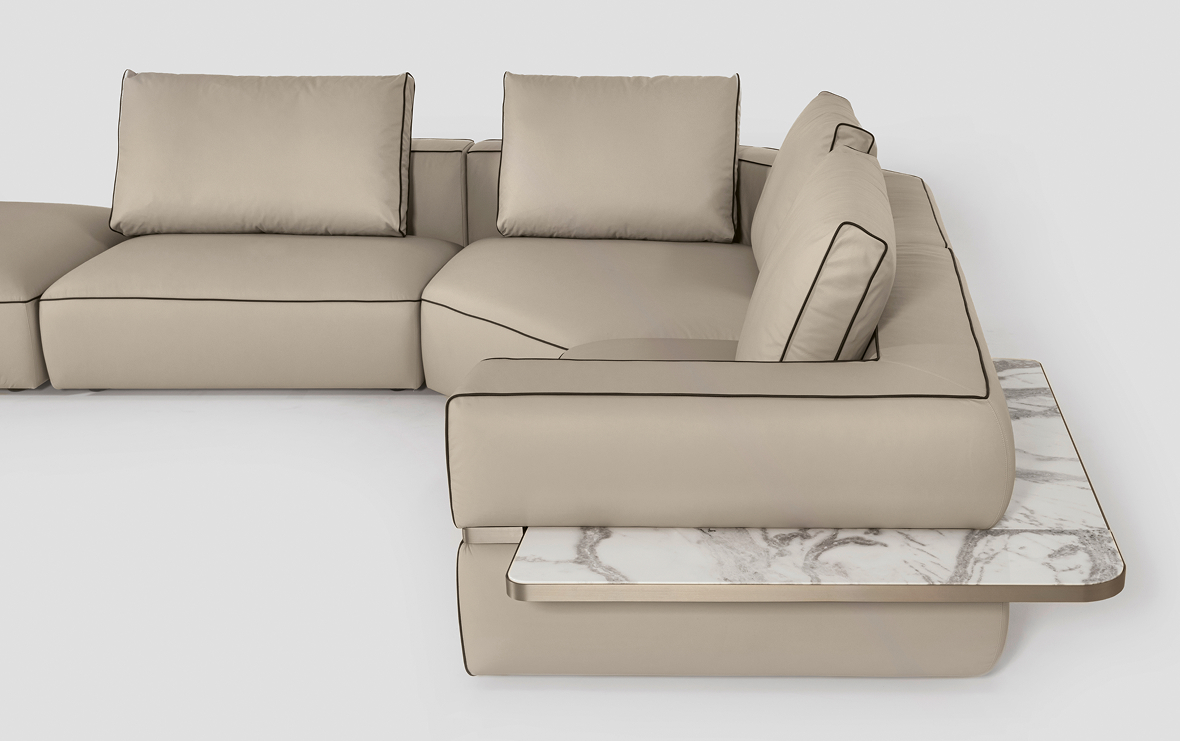
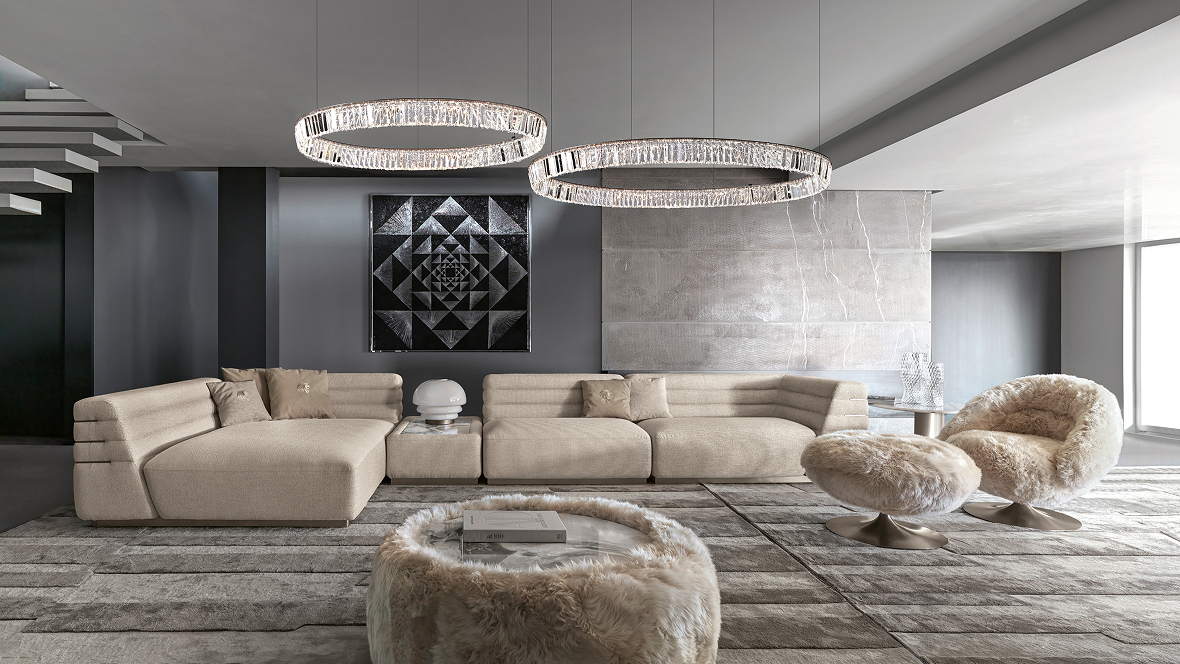
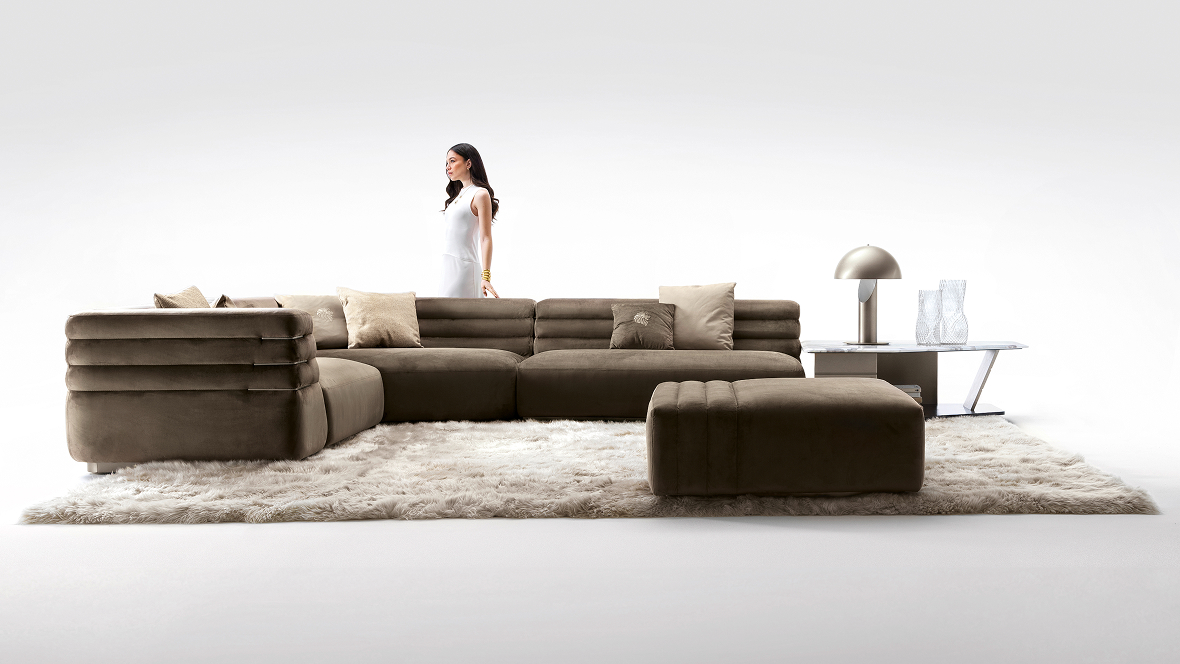
Another major transformation concerns the configuration of the sofa. Whilst the traditional model was conceived primarily as a piece with defined dimensions and shape, contemporary design has introduced greater freedom of composition. Modular systems now allow for the creation of linear, corner, or facing configurations, or those enhanced by chaise longues and other elements. The sofa can thus adapt to the room’s architecture rather than simply being placed within it. This development is particularly significant in large spaces, where the living area can be organised into multiple arrangements and functional zones. Modularity therefore becomes not just a practical feature, but a genuine tool for designing the space.
Giorgio Collection: tradition with a contemporary outlook
The evolution of the Italian sofa does not mean abandoning tradition, but reinterpreting it through new design languages. It is precisely within this dialogue between past and present that the philosophy of Giorgio Collection finds its place. The brand’s collections interpret luxury living through a combination of aesthetic research, fine materials and artisanal craftsmanship. The forms may become more architectural and contemporary, whilst details, upholstery and coverings continue to express the meticulous care typical of Italian craftsmanship. A notable example is Opus collection, characterised by a contemporary formal approach in which geometric structures and sophisticated details are combined with a strong focus on comfort. This approach demonstrates how the ‘Made in Italy’ tradition can evolve without losing its identity.
A design in constant evolution
From the most ornate classicism to the minimalist forms of contemporary design, the luxury Italian sofa has undergone decades of transformation whilst maintaining one constant: the pursuit of excellence. Shapes have changed, materials have evolved, new technologies have emerged and the way we experience our living spaces has changed profoundly, yet attention to detail, the quality of craftsmanship and the ability to transform a functional necessity into a design object continue to represent the very heart of ‘Made in Italy’. The contemporary sofa does not deny its history: it reinterprets it in a new form. And it is precisely in this ability to combine artisanal heritage, research and innovation that the most authentic appeal of the high-end Italian sofa lies today.

2026 Novelties
Giorgio Collection continues to shape the essence of luxury design with new creations that redefine the concept of contemporary elegance.

Milano Design Week 2026
Another fantastic edition of Salone del Mobile has come to an end. Giorgio Collection presented the latest novelties alongside an exclusive selection of our most iconic products.

The poetry of natural elements
Discover the new Sahara collection at Salone del Mobile.Milano 2026.


